Breeders & Whelping Areas: Disinfection Before, During & After a Litter
Last reviewed 2026-08-20
Nobody feels a disinfection failure like a breeder: parvovirus in a nursery is heartbreak plus liability plus reputation, all at once. Puppies nurse maternal immunity for a few weeks, then descend into the immunity gap before their own vaccines take hold — and during that gap, the environment is the immune system. Here’s the program.
Two weeks before whelping
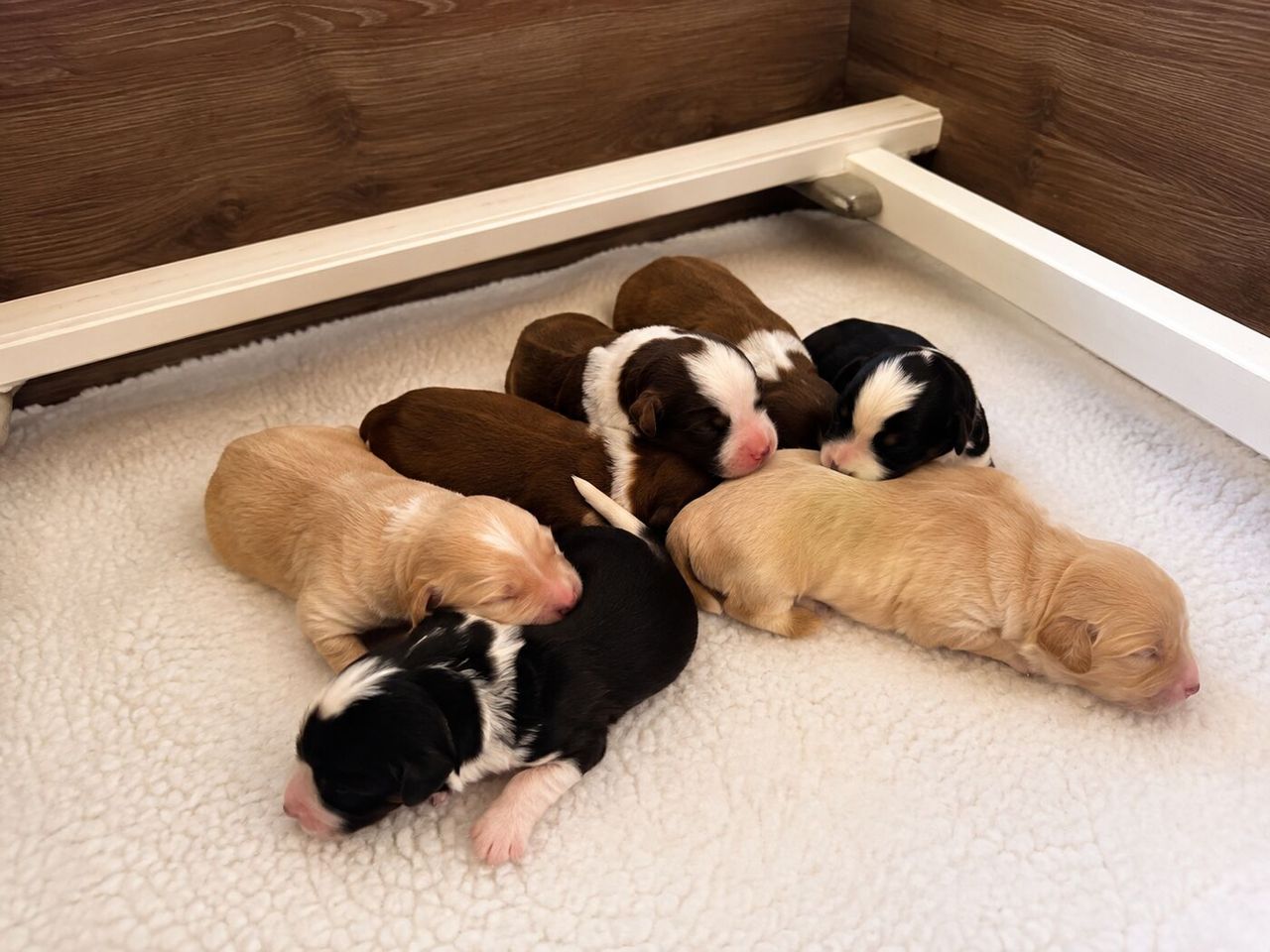
Strip the whelping room to hard surfaces. Wash box, walls to splash height, and floor at the 4 oz/gal heavy-duty rate to remove organic film. Then run the parvo protocol: 9 oz/gal, every hard surface, visibly wet 10 minutes, air dry. Heat lamps, rails, scale trays and puppy pens get the same treatment. Only after everything is bone dry does bedding come in — and bedding is laundered hot, because no spray disinfects fabric.
Why the parvo tier for a clean room? Because you can’t test a floor. The 9 oz/gal pass costs a few extra ounces and removes the question.
The nursery rhythm (litter on the ground)
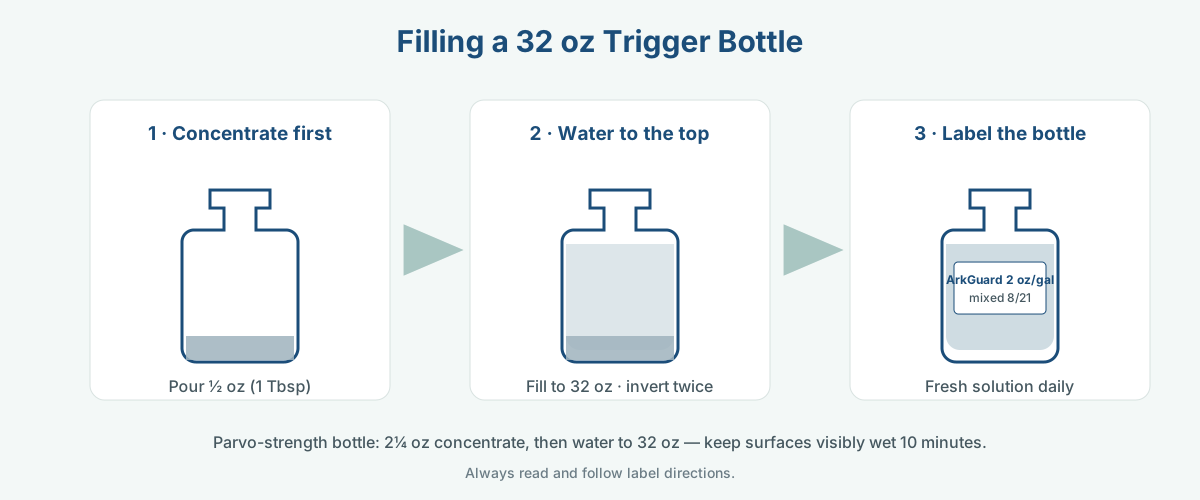
Daily, at a calm moment: dam and puppies to a warm holding pen; solids and soiled bedding out; box and floor washed at 2 oz/gal, kept wet 10 minutes, squeegeed and fully dried; fresh bedding; family back. The dry step is non-negotiable with neonates — damp surfaces chill puppies, and the label requires dry surfaces before animals return anyway.
Weigh-scale trays, supplement syringes’ outer bodies, and your phone (the one taking puppy photos between chores) are the sneaky traffic surfaces — wipe them in the same pass.
Visitors: the vector with a deposit check
Most breeder parvo stories start with a visitor’s shoes. House rules that work: no visits before your vet’s recommended age; a foot bath at the door (2–4 oz/gal, one inch deep, remade daily) or shoe covers; hand washing before puppy handling; and no same-day visits to shelters, dog parks, or pet stores. Put it on your website — serious buyers read it as professionalism, which it is.
Between litters
Full turnover: everything the litter touched gets the two-step (heavy-duty clean, then 9 oz/gal disinfection), including the exercise pen, the car crate that went to vet checks, and — walk it mentally — every threshold the puppies crossed. Outdoor potty patches on grass or dirt can’t be disinfected; rest them between litters and keep the next litter’s ground separate. Sealed-concrete play aprons, by contrast, take the full protocol — one more argument for sealing.
A quart makes 16 gallons of solution — for most breeders, one quart covers an entire litter cycle with the parvo passes included. Larger programs: the partner cases exist for you too.
Frequently asked
How do I disinfect a whelping box before a litter?
Two weeks out: strip it, wash at the 4 oz/gal heavy-duty rate, then apply the 9 oz/gal parvo-tier solution to every hard surface, keep it visibly wet 10 minutes, rinse food/water items with potable water, and let everything dry completely before bedding goes in.
Is it safe to disinfect around newborn puppies?
Work around the litter, not over it: move dam and puppies to a clean holding area, treat surfaces, let them dry fully, then return the family. The label requires animals removed during application and surfaces dry before they come back.
What should puppy buyers do when they visit?
Shoes off or a 2–4 oz/gal foot bath at the door, hand washing before handling, and no visits until your veterinarian's recommended age. Visitors are the most common parvo vector a breeder faces.