Catteries & Cat Rooms: Disinfection Without the Stress Spiral
Last reviewed 2026-08-20
Cats punish sloppy sanitation twice: once with disease, and again with stress — because a cat room that smells of harsh chemicals or gets deep-cleaned around resident cats produces exactly the cortisol that reactivates herpesvirus sneezing across the room. The cat program is therefore about sequence and drying, not just spraying.
The quat-and-cats question, answered honestly
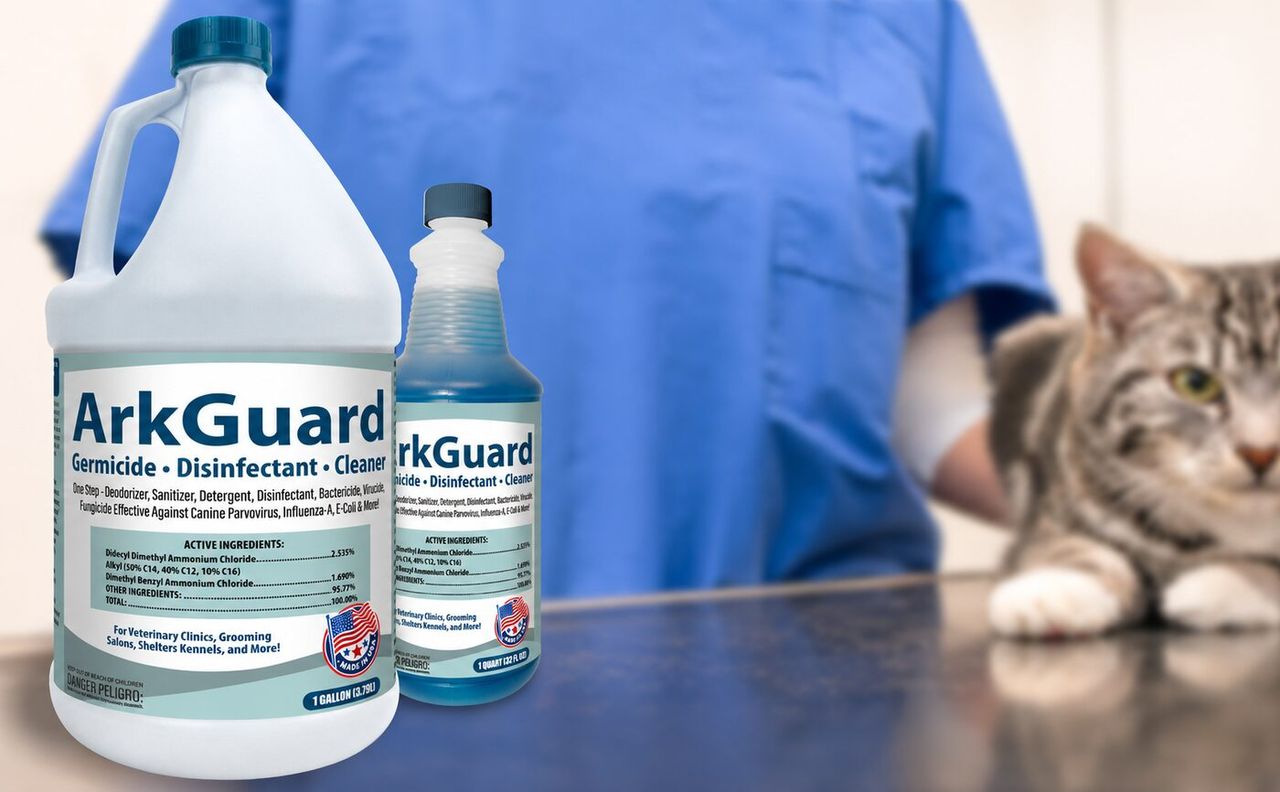
Cat people have read that quats and cats need care, and that’s correct — cats groom whatever touches their paws and are more sensitive to many chemicals than dogs. Here’s the fair statement: the risk cases involve misuse — undiluted product on surfaces, soaked fabric bedding, cats walking on still-wet floors. Used exactly as the ArkGuard label directs, the routine is inherently cat-protective: cats leave the room → surfaces get 2 oz/gal (a 1.6% in-use solution) → full wet contact time → complete air-dry → potable rinse of bowls → cats return to dry surfaces. Dry quat residue on a floor is not the hazard; a wet shortcut is. Follow the sequence and you get the kill list without the risk profile.
Condo and cat-room turnover
Between residents: strip the condo, wash at 2 oz/gal (4 oz/gal for greasy soil), 10 minutes visibly wet, then dry completely — run a fan; cats shouldn’t re-enter damp housing anyway. Shelvery, hidey-box exteriors (if hard plastic), door mesh and latches all count. Soft beds and fabric hammocks are laundry, not spray targets. For a room that housed a panleukopenia case, step up to the 9 oz/gal tier — panleuk is a parvovirus and deserves parvo respect (the protocol applies unchanged).
Calicivirus — the sneeze that tours every cattery eventually — is on the label at the routine 2 oz/gal rate; hit shared surfaces, feeding stations, and your own hands’ traffic pattern (door handles, latch rows) during any URI cluster.
The litter zone
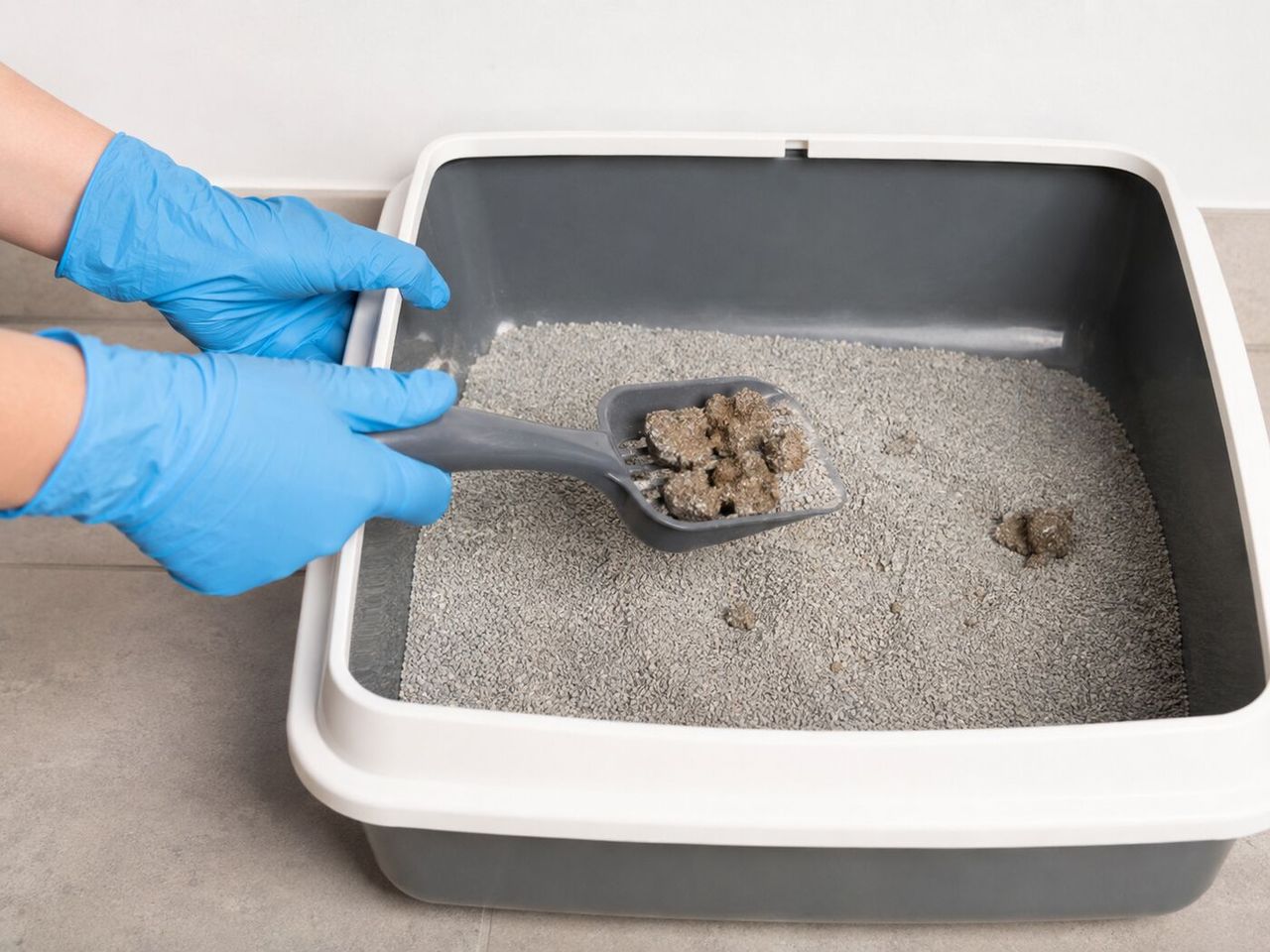
The litter area protocol in brief: scoop daily; dump and scrub boxes weekly with 2 oz/gal solution, 10 minutes, rinse well, dry, refill; treat the floor beneath and the wall behind (urine aerosol is real); and put a hard washable mat under the boxes instead of carpet, which cannot be disinfected.
Multi-cat rhythm
Daily: spot-clean, bowls washed-disinfected-rinsed, water fountains dumped and scrubbed (fountains grow biofilm fast). Weekly: floors, condo fronts, window perch frames, litter boxes. Per-turnover: the full protocol above. Foster rooms in shelters run this loop between every foster family — with the room resting until fully dry.
Cat facilities buying quart cases put a labeled bottle in every room — partner pricing covers catteries and rescues alike.
Frequently asked
Is a quat disinfectant safe to use around cats?
Used as labeled, yes: cats out of the room during application, surfaces kept wet the labeled time and then fully DRY before cats return, and food/water items rinsed with potable water. The documented problems with quats and cats involve gross misuse — undiluted product, soaked bedding, or wet surfaces cats walk on and groom off. The label's remove-dry-rinse rules exist precisely to prevent that.
What kills feline calicivirus and panleukopenia on surfaces?
Feline Calicivirus is on ArkGuard's labeled virucidal list at 2 oz/gal, 10 minutes wet. For Feline Panleukopenia — a parvovirus — treat surfaces with the 9 oz/gal animal-premises tier, exactly like canine parvo.
How do I disinfect a litter box?
Dump, scrub with 2 oz/gal solution, keep wet 10 minutes, rinse well and dry before refilling. Do it weekly for resident cats, and at every cat-change in a cattery or foster room.