
Barns, Farms & Animal Premises: The Label's Big-Area Playbook
Last reviewed 2026-08-20
The animal-premises section is the oldest, sternest part of any germicidal label — written for barns, and written as commandments. Good news: the commandments are also simply the correct order of operations. Here they are, ArkGuard-flavored, plus the farm realities labels are too polite to mention.
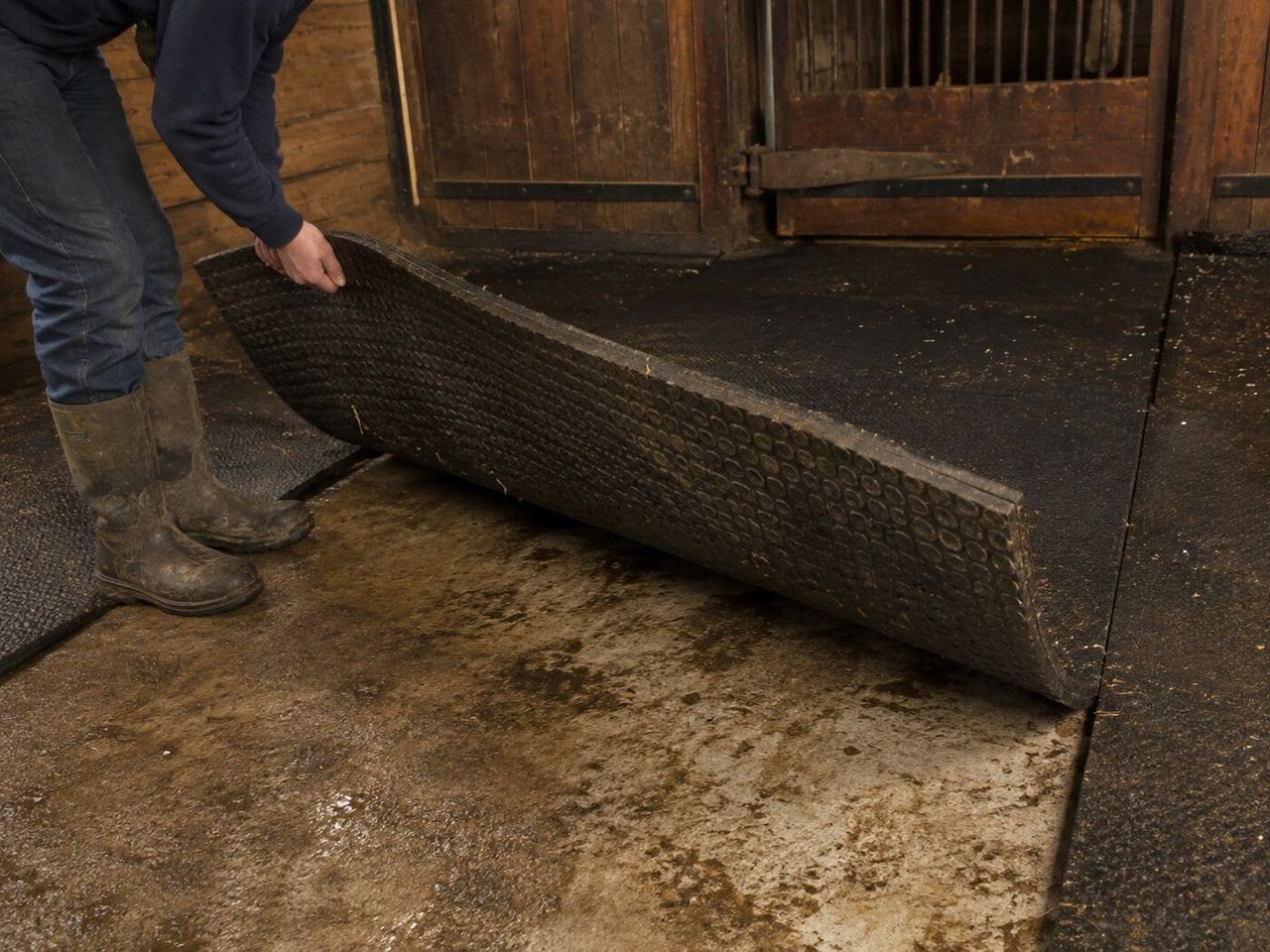
The mandatory sequence
For any animal housing — barn bays, stalls, hutches, coops with hard surfaces, kennel barns:
- Remove all animals and feed from the premises.
- Remove litter, droppings, and manure from floors, walls, and surfaces of pens, stalls, and chutes. (Disinfectant sprayed onto manure is fertilizer with ambitions.)
- Clean surfaces with soap or detergent and rinse with water — or use ArkGuard itself at the 4 oz/gal heavy-duty cleaning rate as the detergent step.
- Apply ArkGuard at 2 oz/gal (the 9 oz/gal tier where parvo/rabies protocols apply) and keep everything visibly wet 10 minutes.
- Immerse the hand gear — halters, restraint equipment, forks, shovels, scrapers — in the use solution; that immersion is on the label.
- Dry before restocking. Do not house animals or use equipment until the treatment has dried.
- Feed-contact rule: thoroughly scrub all treated feed racks, troughs, automatic feeders, fountains and waterers with soap or detergent and rinse with potable water before reuse.
That sequence is the protocol. Everything else is logistics.
Covering big areas
This is hose-end sprayer country: dial B for the routine rate, fan nozzle for alley floors and stall panels, soak nozzle for corners, posts, and drain surrounds. A 24 oz bottle of straight concentrate on dial B applies roughly nine and a half gallons of solution — one fill does a stall row. For overhead and vertical work, the pump sprayer’s stream setting reaches without ladders.
Boot dips: the cheapest biosecurity you’ll ever buy
Every door between “outside” and “animals” gets a dip: shallow pan, one inch of 2–4 oz/gal solution, scrape mat before it, 3 minutes of wet contact for real effect, remade daily or when it looks like soup. The label also covers foamed entryways for operations that want a walk-through foam layer instead. Visitors use the dip too — especially visitors, whose boots have been on other farms.
The honesty section: dirt, wood, and weather
Dirt floors can’t be disinfected — porous ground is outside every surface disinfectant’s claims, ArkGuard included. Manage soil with removal, drying, resting, and your extension agent’s lime program; save the chemistry for the hard surfaces above it. Old barn wood is porous too — sealed or painted wood qualifies as a hard surface; gray weathered planks don’t (the porous-surface rule). And in freezing weather, remember contact time means wet time — disinfect during the warm hours or heat the water; a solution that freezes on contact never disinfected anything.
Farm and ag operations qualify for case pricing — gallons with hose-end sprayers are the barn configuration.
Frequently asked
What are the required steps for disinfecting animal premises?
The label's sequence is mandatory: remove all animals and feed; remove litter, droppings and manure; clean surfaces with soap or detergent and rinse; apply solution and keep surfaces visibly wet 10 minutes; let everything dry before animals return; and scrub then potable-rinse all feed racks, troughs, automatic feeders, fountains and waterers before reuse.
Can I disinfect a dirt-floor barn?
No product can disinfect soil or other porous ground — claims apply to hard, non-porous surfaces. Manage dirt floors with removal, lime programs per your ag extension, drying, and resting; disinfect the hard surfaces above them.
How do I set up a boot dip?
A shallow pan with one inch of 2–4 oz/gal solution at each entry, with a scrape-off mat before it. Scrape boots, stand or walk through, allow 3 minutes of wet contact. Remake the dip daily or whenever visibly dirty.