Artificial Turf: The Disinfection Protocol for Pet Turf & Play Yards
Last reviewed 2026-08-20
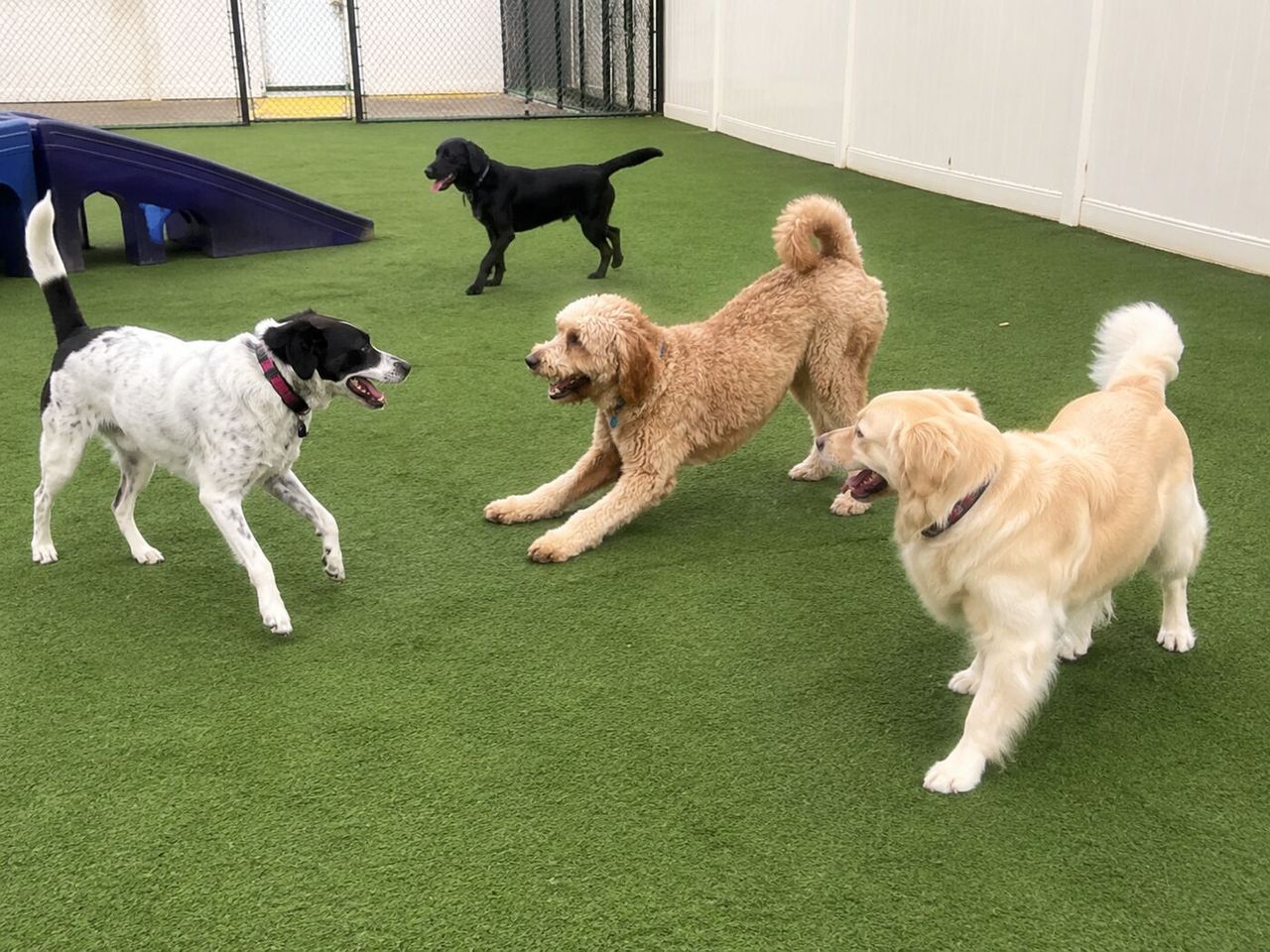
Artificial turf is the pet industry’s favorite surface — no mud, no digging, always green. It’s also the surface with the most mythology around cleaning. The truth is friendlier than the myths: turf is mostly plastic, plastic is non-porous, and non-porous surfaces are exactly what a disinfectant label covers.
Understanding what you’re cleaning
A turf system is three layers: plastic blades and backing (disinfectable — it’s a hard surface in grass costume), infill between blades (sand/rubber — a gray zone that traps biology), and the drainage base (gravel — porous, unclaimable, and the reason drainage design matters more than any chemical). The strategy: keep the biology handled at the blade layer so it never banks in the base.
Pet-specific turf with minimal infill and high-flow backing is dramatically easier to keep clean than landscape turf with deep infill — if you’re still choosing turf, choose for drainage.
The weekly protocol
- Solids off (daily, within minutes — everything else assumes this).
- Rinse urine zones with plain water to move the easy stuff through the drainage.
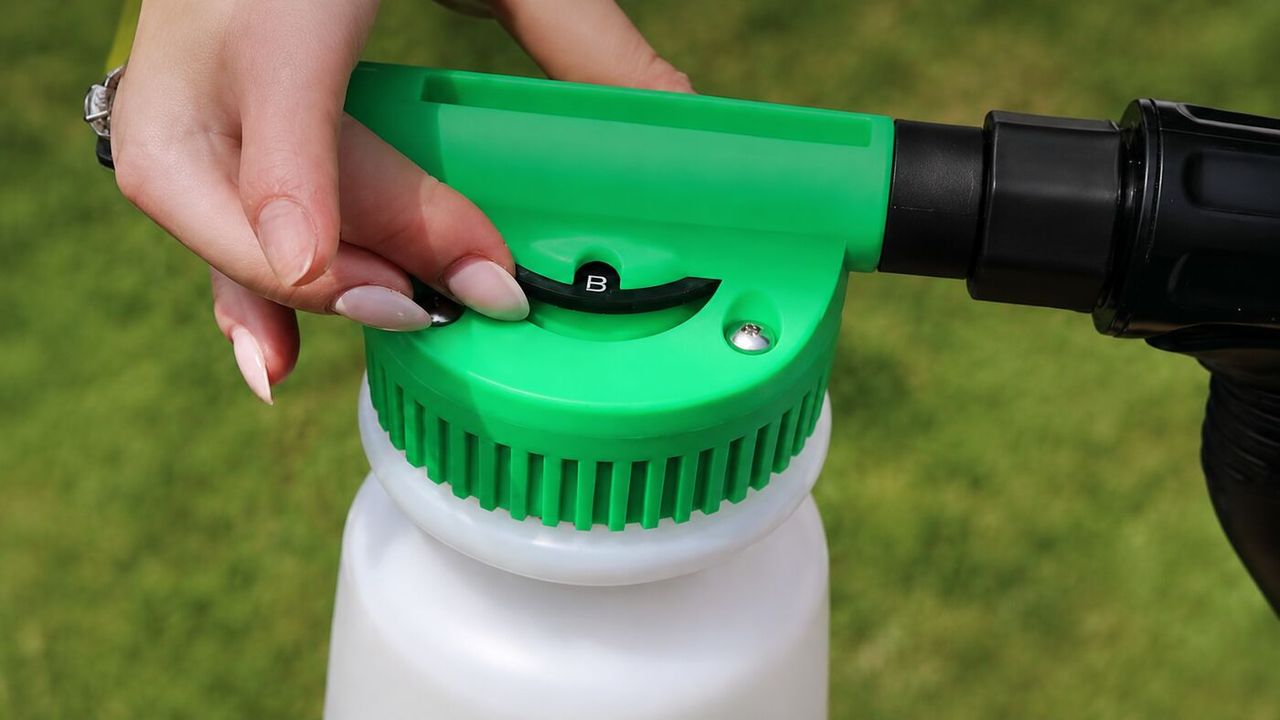
- Spray ArkGuard at 2 oz/gal across the surface — the hose-end sprayer on dial B with the fan nozzle is purpose-built for this; the soak nozzle handles the favorite marking corners.
- Dwell: keep it visibly wet 10 minutes — on sun-heated turf that means a re-mist pass; wet time is the whole claim.
- Optional final rinse pushes everything through the base. Let it drain and dry before the pack returns (label rule: dry before animals).
The deodorizing effect is the visible payoff: odor is bacterial exhaust, and the pass kills the factory. Facilities that “rinse constantly but still smell” are diluting the feed while leaving the bacteria — the disinfection step is the difference.
Outbreak grade (daycares, boarding, foster yards)
After kennel cough, canine flu, or GI illness in the group: run the protocol at full coverage (not just urine zones), treat gate hardware and fence bottoms in the same pass, and repeat per your vet’s timeline. For parvo exposure, apply the 9 oz/gal tier to the turf surface and be honest about the base: what drained through is beyond chemistry, so vulnerable-dog restriction plus time still applies. (Turf’s saving grace vs. dirt: the surface a paw actually touches can be treated at strength.)
What ruins turf programs
Letting solids sit (turf’s one absolute rule), fragrance cover-up products that coat blades and feed the film, mixing chemicals hoping for a stronger brew, and skipping dwell time because the surface “looks rinsed.” Turf rewards boring consistency — the same weekly pass, every week, forever.
Frequently asked
Can artificial turf actually be disinfected?
Quality turf's blades and backing are plastic — non-porous materials that a disinfectant can wet for a contact time, which is why turf is the one 'yard' surface with a real protocol. The gravel base below it, and any infill, is where claims end: keep the biology from reaching the base by treating the surface on schedule.
Why does my pet turf smell even though I rinse it?
Rinsing dilutes urine but leaves the bacterial film on blades and backing that keeps producing odor. A deodorizing disinfectant pass kills the producers; rinse first, spray 2 oz/gal to wet, let it dwell, then rinse again if desired.
How often should a daycare turf yard be treated?
Solids picked up within minutes always; a daily rinse of urine zones; the full spray-and-dwell disinfection pass weekly — and immediately after any illness in the play group.